
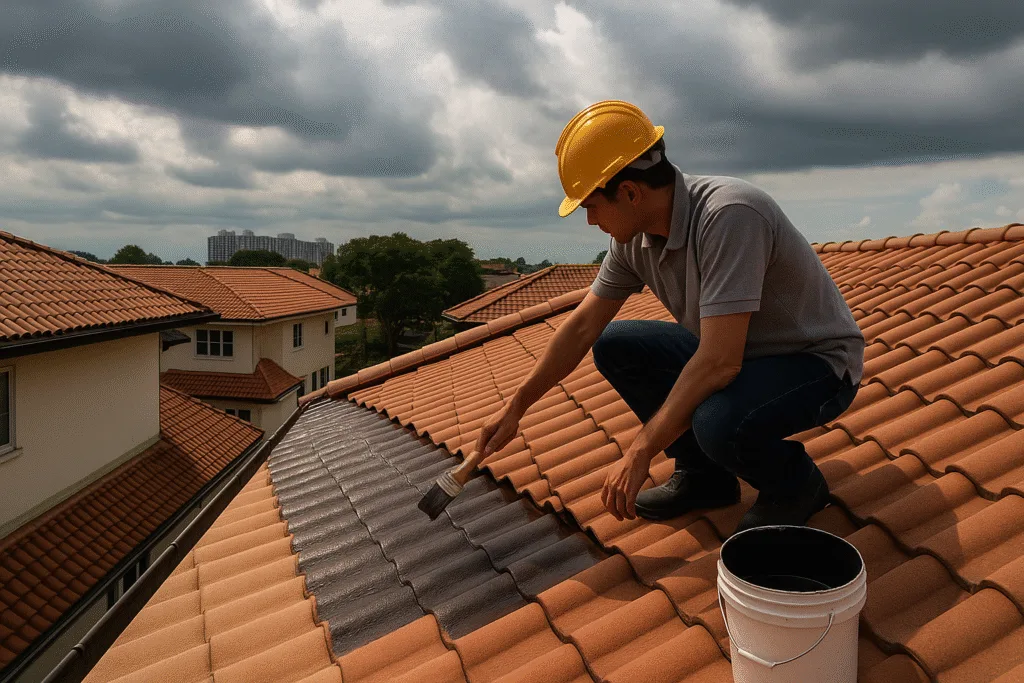
Introduction
When the monsoon clouds gather over Singapore, homeowners start worrying about one thing — roof leaks. The months from November to January bring heavy downpours and strong winds that test even the best waterproofing systems. A small crack or neglected seal can quickly turn into ceiling stains, peeling paint, or worse — dripping water inside your living room.
Pre-monsoon roof inspection and waterproofing aren’t just precautionary measures; they’re essential maintenance. This guide walks through a comprehensive waterproofing checklist tailored to Singapore’s climate and housing types — from HDB flats to landed properties — and shows how specialists like Leak Works help prevent expensive water damage before the rainy season hits.
Singapore Context: Why Monsoon Preparation Matters
Singapore’s position near the equator means rainfall is intense and frequent. During the Northeast Monsoon season, strong winds push rain against rooftops, walls, and window joints. Even well-built roofs can develop seepage if gutters are blocked or sealants age under constant sun exposure.
In high-density HDB estates, water infiltration from the upper unit’s roof or balcony can affect multiple homes. For landed properties, roof tiles, flashing, and drainage systems must cope with both tropical heat and sudden downpours. The combination of humidity and trapped moisture can quickly lead to moss growth and material degradation.
Why Roof Waterproofing is Crucial
Waterproofing acts as your roof’s invisible shield. Without it, water finds its way through microcracks, tile gaps, or unsealed joints. Over time, the consequences grow:
- Structural Damage: Continuous seepage weakens concrete and causes corrosion of steel reinforcements.
- Mould & Health Risks: Damp ceilings foster mould spores, triggering allergies and respiratory issues.
- Interior Damage: Paint, furniture, and lighting fixtures can be ruined by prolonged leaks.
- Increased Repair Costs: Minor leaks left untreated often escalate into large-scale roof replacement projects.
Proper waterproofing not only protects your home but also maintains its long-term value — a key consideration for Singapore property owners.
Pre-Monsoon Roof Waterproofing Checklist
Here’s a practical step-by-step guide to ensure your roof stays watertight before the heavy rains arrive.
1. Visual Roof Inspection
Start with a full roof scan for visible signs of wear or damage. Look for:
- Cracked or missing roof tiles
- Rusted metal flashing
- Loose or detached sealant around vents and pipes
- Dark patches or mould along the ceiling
Even if you don’t spot leaks, these signs suggest water could penetrate soon.
2. Check Gutters and Downpipes
Blocked gutters are one of Singapore’s top causes of roof leaks during the monsoon. Leaves, dust, and bird nests often accumulate and prevent water flow.
- Clear debris manually or with a hose.
- Ensure downpipes are firmly connected.
- Test water flow during light rain to confirm smooth drainage.
Tip: Consider installing mesh guards to prevent clogging in the future.
3. Inspect Roof Flashings and Sealants
Roof flashings — the metal sheets that seal joints and edges — are prone to rust and lifting. Replace any corroded sections and reseal corners with high-quality waterproofing compound.
Silicone or polyurethane sealants are ideal for Singapore’s heat and humidity since they maintain elasticity under temperature changes.
4. Check Roof Waterproofing Membrane
Flat roofs and RC (reinforced concrete) roofs common in HDB and commercial buildings rely on waterproof membranes. Over time, these layers crack or blister.
A quick inspection can reveal:
- Hairline cracks
- Peeling edges
- Water pooling on flat sections
If more than 10–15% of the membrane shows wear, it’s better to reapply or recoat rather than patch small areas.
5. Look Inside for Early Warning Signs
Go indoors and check your ceilings, attics, and top-floor corners. Brown stains or damp patches often reveal hidden leaks. Use a moisture meter if available to confirm humidity levels in suspicious areas.
6. Test During Light Rain
Observing how your roof handles moderate rain is the most practical test. Note where water collects, how gutters flow, and if any drips appear indoors. Addressing these before the monsoon prevents larger failures later.
7. Professional Waterproofing Assessment
Sometimes, leaks originate from areas invisible to the naked eye — such as concrete pores or poorly sealed expansion joints. That’s where professional services like Leak Works come in.
Certified specialists use thermal imaging, moisture mapping, and pressure testing to locate hidden vulnerabilities without invasive drilling. They can recommend:
- Liquid-applied waterproofing membranes
- Cementitious coatings for concrete roofs
- Bituminous or acrylic systems for flexible coverage
- UV-resistant coatings for long-term protection
Professional Roof Waterproofing Process
| Step | Description | Tools Used |
|---|---|---|
| 1. Site Assessment | Evaluate roof type, slope, and drainage. | Visual + Moisture Check |
| 2. Surface Preparation | Clean, dry, and repair cracks. | Power washer, filler |
| 3. Primer Application | Improves membrane adhesion. | Roller or sprayer |
| 4. Waterproofing Layer | Apply coating in multiple layers. | Liquid membrane or torch-on sheet |
| 5. Curing & Inspection | Allow drying time before water test. | Moisture gauge |
| 6. Final Water Ponding Test | Check for any seepage points. | Controlled water test |
A thorough process ensures durability throughout the wet season.
DIY vs Professional Waterproofing
| Criteria | DIY Approach | Professional Waterproofing |
|---|---|---|
| Skill Level | Basic cleaning and resealing | Advanced techniques and materials |
| Tools | Limited to brushes and sealant | Thermal scanners, coating sprayers |
| Cost | $50–$200 | $500–$2000 depending on roof size |
| Durability | Temporary (6–12 months) | Long-term (5–10 years) |
| Risk | Incomplete coverage | Warranty-backed service |
If you’re unsure where the leak originates, calling an expert is almost always more cost-effective.
Common Mistakes to Avoid
- Ignoring minor cracks until the monsoon starts
- Applying waterproofing on dirty or wet surfaces
- Using indoor sealant products on exterior roofs
- Skipping gutter cleaning before coating
- Forgetting to check parapet walls and joints
Prevention always beats post-damage repairs.
Cost & Frequency of Roof Waterproofing in Singapore
| Property Type | Average Cost (SGD) | Recommended Frequency |
|---|---|---|
| HDB Flat | $350 – $800 | Every 5 years |
| Condo Balcony / Roof Deck | $600 – $1,200 | Every 4–6 years |
| Landed Property Roof | $1,000 – $3,000 | Every 5–8 years |
| Commercial Building Roof | From $3,000 upwards | Annual inspection + 6-year recoat |
Prices vary based on roof size, coating material, and existing damage. Some homeowners opt for partial reapplication on high-exposure areas yearly before the monsoon.
Benefits of Pre-Monsoon Roof Waterproofing
- Prevents interior leaks and ceiling damage
- Reduces repair costs by catching small issues early
- Improves property value through well-maintained roofing
- Ensures comfort with no dripping or musty smells during rain
- Supports sustainability by preventing water wastage
For most homeowners, the investment pays off within one rainy season through avoided repair expenses.
FAQ
1. How soon before the monsoon should I waterproof my roof?
Ideally, two months before heavy rain — around September or early October. This allows time for inspection, coating, and curing.
2. Can waterproofing be done during the rainy season?
It’s possible, but drying and adhesion are affected. Contractors often schedule partial coating during dry intervals.
3. What’s the difference between bituminous and acrylic coatings?
Bituminous is thicker and more durable for flat roofs, while acrylic coatings suit sloped or tiled roofs exposed to sunlight.
4. How long does roof waterproofing last?
Depending on material, typically between 5–10 years with proper maintenance.
5. Is it worth hiring a professional for a small leak?
Yes — small leaks can indicate deeper membrane failure. Professionals can detect the full extent before repairs worsen.
6. Will waterproofing affect roof appearance?
Modern coatings come in neutral or reflective finishes that blend with existing tiles, often improving aesthetics.
7. Do waterproofing services come with warranty?
Reputable companies like Leak Works provide warranties ranging from 2–5 years depending on system type.
Conclusion
Singapore’s monsoon rains are as predictable as they are powerful. A well-prepared roof is your first defense against leaks, mould, and unnecessary stress. Following a pre-monsoon waterproofing checklist — and engaging trusted professionals when needed — ensures peace of mind throughout the rainy months.
For expert inspection, waterproofing, and leak repair, visit Leak Works — your reliable local partner in keeping homes safe, dry, and leak-free.
发表回复