
Introduction
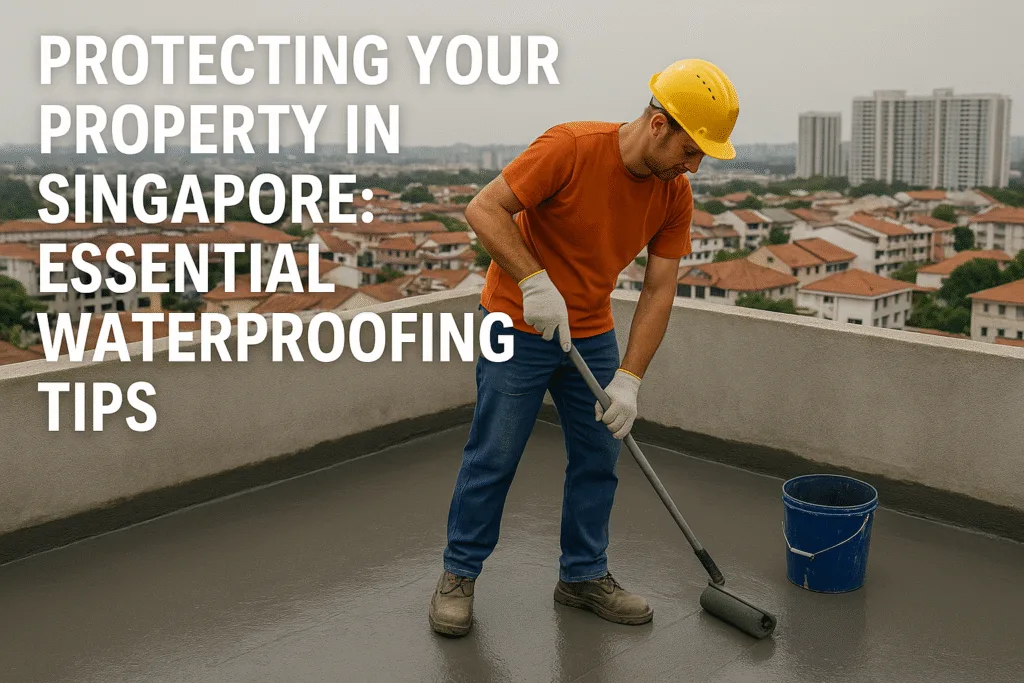
Water is both a friend and a foe in Singapore. The island’s tropical climate means frequent downpours, high humidity, and moisture-laden air that can creep into every crack and joint of a building. Without proper waterproofing, even the most beautiful property can fall victim to leaks, mould, and structural damage. Whether you’re maintaining an HDB flat, a landed home, or a commercial space, waterproofing isn’t just a maintenance task — it’s a long-term investment in your property’s health.
Singapore Context
In Singapore, the combination of heavy rainfall, high humidity, and urban density creates a unique challenge for property owners. Buildings are exposed to both vertical and lateral water pressure, especially in basements, roofs, and bathrooms. Many older HDB blocks and condominiums also face waterproofing issues due to ageing materials and renovation works that compromise original seals.
For homeowners, the most common problem areas include:
- Roofs and balconies exposed to direct rainfall
- Bathrooms, especially around shower areas
- Basement walls and floors with hydrostatic pressure
- External walls that face afternoon sun followed by evening rain
A single leak might seem minor, but left unchecked, it can damage paint, plaster, furniture, and even concrete reinforcement — leading to costly repairs.
Why It Matters
Waterproofing does more than prevent stains or damp smells. It protects the very bones of your property. Water infiltration can lead to:
- Mould and mildew growth, harmful to respiratory health
- Swelling or rotting of wooden furniture and flooring
- Cracks and corrosion in concrete or steel structures
- Increased electricity use as damp walls retain heat
Given Singapore’s wet weather patterns, a robust waterproofing system is essential for long-term comfort and property value.
Types of Waterproofing Solutions
Different surfaces demand different treatments. The most common waterproofing systems used in Singapore include:
| Area | Recommended System | Typical Application |
|---|---|---|
| Roofs | Torch-on membrane, PU coating | For concrete or flat roofs |
| Bathrooms | Cementitious waterproofing | Under tiles and screed layers |
| Balconies | Liquid-applied membranes | Prevents seepage through cracks |
| Basements | Crystalline waterproofing | Creates a chemical barrier within concrete |
| Walls | Acrylic or elastomeric coating | Protects against rain and UV |
Modern products are formulated for Singapore’s climate — resistant to both tropical heat and high rainfall.
Step-by-Step: The Professional Waterproofing Process
A typical waterproofing job in Singapore goes through these stages:
- Inspection and Diagnosis – Professionals use moisture meters and visual checks to locate the source of leaks.
- Surface Preparation – Cleaning, hacking off loose material, and repairing cracks or holes.
- Primer Application – Ensures strong adhesion of the waterproofing membrane.
- Waterproofing Layer – Applying membrane, coating, or cementitious mix depending on the site.
- Protection & Testing – Once cured, water ponding tests are done to confirm no leakage.
- Finishing – Tiling, painting, or sealing the surface to restore its appearance.
Some firms also offer infrared or thermal scanning to detect hidden leaks — a growing trend in Singapore’s property maintenance sector.
DIY vs Professional Waterproofing
Small issues like sealing a hairline bathroom crack can sometimes be handled with a store-bought waterproofing agent. But for larger areas such as roofs, balconies, or basements, professional help is non-negotiable.
Professionals bring diagnostic tools, correct materials, and warranties that protect your investment. A poorly applied DIY job may trap moisture instead of stopping it, worsening the damage.
Signs You Need Waterproofing
- Peeling paint or bubbled plaster on walls
- Musty odours in enclosed spaces
- Water stains on ceilings or corners
- Efflorescence — white, powdery residue on surfaces
- Discoloration or damp patches after rain
These early warnings often show up in older flats or spaces with poor ventilation.
Health and Lifestyle Benefits
Effective waterproofing improves more than your property’s lifespan — it enhances your quality of life. A dry home is cooler, cleaner, and healthier. Mould-free walls and ceilings make breathing easier, especially for children and the elderly. For businesses, preventing leaks protects equipment and prevents downtime due to maintenance.
Cost & Frequency in Singapore
Waterproofing costs vary depending on the surface area, method, and condition of the site:
| Type | Average Cost (SGD) | Recommended Frequency |
|---|---|---|
| Bathroom | $400 – $800 | Every 8–10 years |
| Roof | $8 – $15 per sq ft | Every 5–8 years |
| Balcony | $6 – $10 per sq ft | Every 8–10 years |
For landed properties, maintenance tends to be more frequent due to higher exposure to the elements. In condominiums and commercial buildings, professional inspections every few years can prevent small leaks from turning into major repairs.
Key Benefits Summary
| Benefit | Why It Matters |
|---|---|
| Protects structure | Prevents cracks, corrosion, and spalling concrete |
| Improves indoor health | Stops mould and mildew formation |
| Reduces long-term costs | Avoids expensive structural repairs |
| Enhances property value | Maintains a clean, dry, and safe environment |
FAQs
1. How long does waterproofing last in Singapore’s climate?
Most systems last between 5 to 10 years, depending on exposure and maintenance. Regular checks can extend this lifespan.
2. Can I waterproof my bathroom without hacking tiles?
Yes, certain liquid membrane systems can be applied over existing tiles, though results depend on surface condition.
3. Is waterproofing covered under HDB’s maintenance program?
For HDB flats, joint responsibility applies — homeowners share the cost with HDB for certain internal leaks.
4. How soon can I use the bathroom after waterproofing?
Usually 24–48 hours, depending on drying time and type of material used.
5. What’s the best time of year to waterproof?
Dry months (typically February–April or July–September) allow faster curing and fewer rain delays.
6. Do all contractors provide warranty?
Reputable waterproofing specialists in Singapore often offer 3–5 years warranty for workmanship.
7. Can waterproofing also help with heat insulation?
Yes — certain roof coatings reflect sunlight and reduce indoor heat, improving energy efficiency.
Conclusion
In a climate as humid and rain-prone as Singapore’s, waterproofing is not optional — it’s essential maintenance. A well-protected property stays healthier, looks better, and saves you thousands in future repairs.
If you’re planning waterproofing work or simply need expert advice, you can trust LEAK Works for professional inspection and long-lasting solutions. Their waterproofing services are designed for Singapore’s unique climate and building types, ensuring your home or office stays dry all year round.
发表回复